Ask your phone to reschedule dinner with your sister, and it can usually manage that. Ask it to remember that your sister mentioned she is allergic to shellfish three text messages ago and then pick a restaurant accordingly, and most phones go blank. That gap, between answering a command and actually understanding a situation, is exactly what Apple is trying to close.
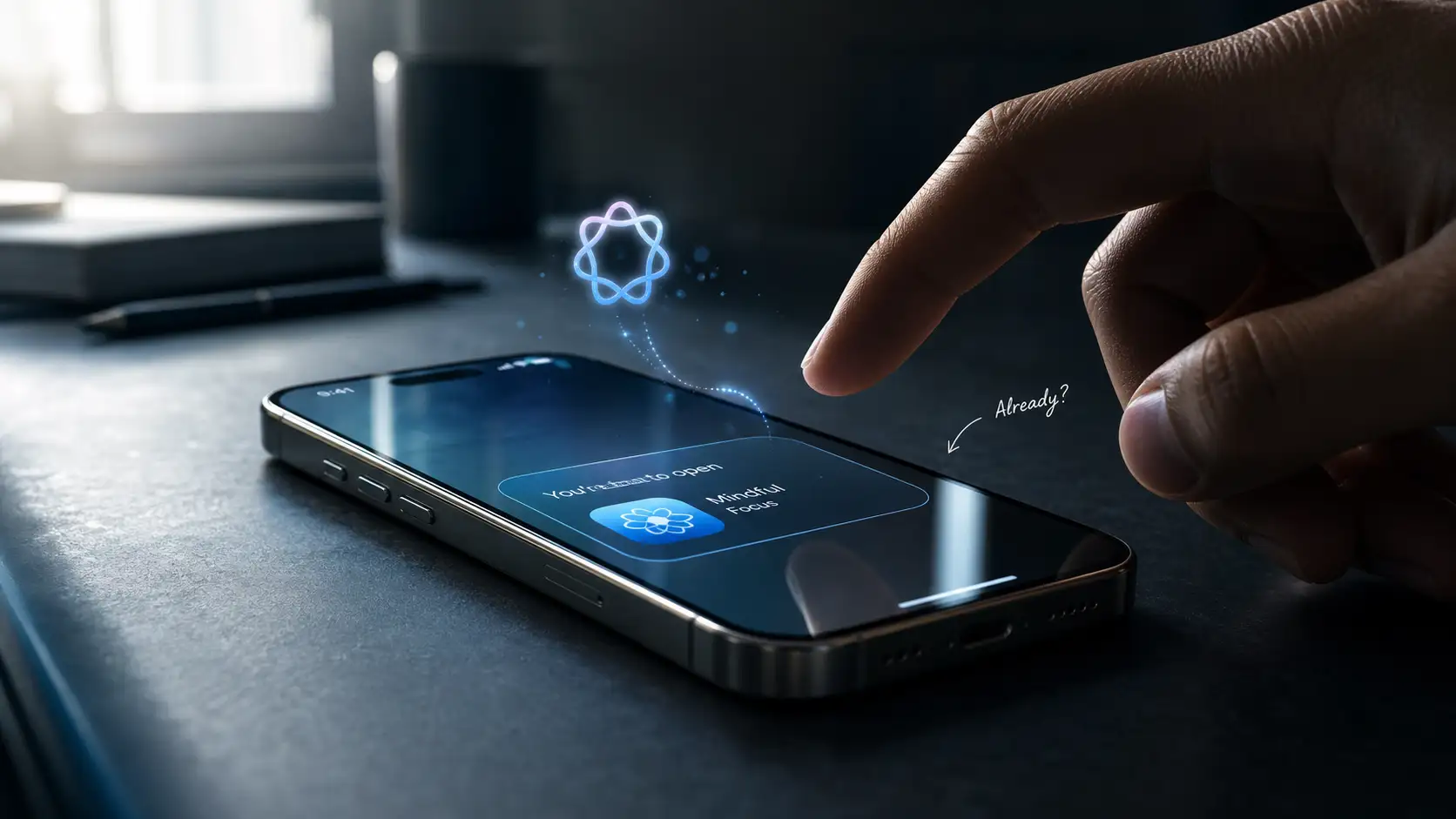
AI Generated Illustration
The next wave of Apple AI features moves the iPhone away from being a device that waits for instructions and toward one that notices patterns in how you actually live. On-device processing handles more requests locally, Siri gains real contextual memory, Private Cloud Compute quietly takes over the heavier lifting, and apps across the system start talking to each other instead of operating in isolation. None of these pieces is dramatic on its own. Together, they add up to a different idea of what a phone is for.
The bigger question is whether Apple can pull this off without breaking the thing that made people trust an iPhone in the first place. Can a phone get genuinely useful at anticipating your needs while still keeping your data out of reach of everyone, including Apple itself? To answer that, it helps to look at where the actual processing happens.
How Apple AI features process tasks faster without sending everything to the cloud
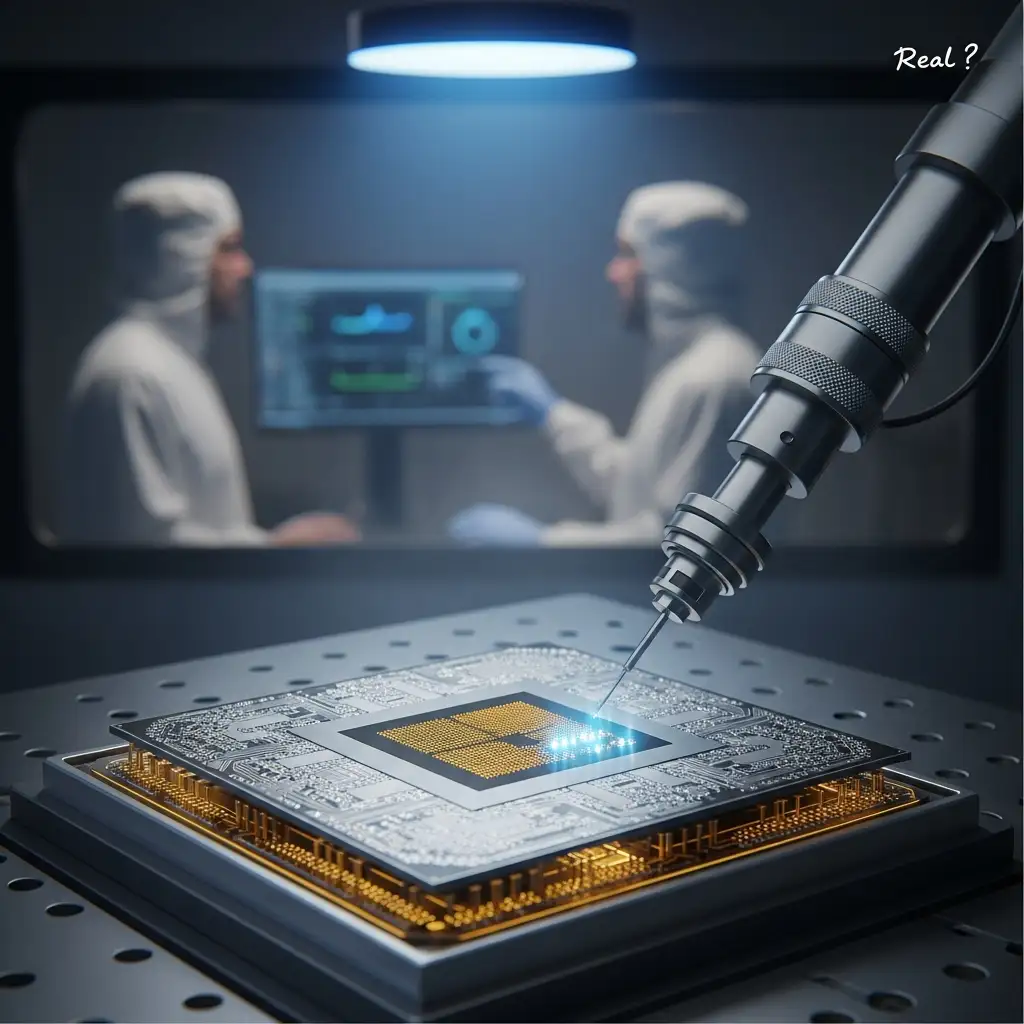
Most AI assistants you have used probably work the same way: you ask a question, it travels to a data center somewhere, gets processed, and the answer comes back. That round trip takes time, and it means a company's servers see almost everything you ask. On-device AI flips part of that. The iPhone's neural engine handles a chunk of requests right there in your pocket, so a task like summarizing a long email or rewriting a text doesn't have to leave the phone at all. Think of it less like calling a distant expert and more like asking the person sitting next to you who already knows the answer.
Not everything fits on a phone, though. Some requests need more raw computing power than even the newest chips can offer, and that is where Private Cloud Compute comes in. Instead of routing those requests through ordinary servers, Apple built a system that processes them on hardware designed specifically so that not even Apple can read what was sent, and the data is discarded once the task finishes. It is a workaround for a real physical limit: phones are small, and some jobs simply need bigger machines. The split lets Apple offer more capable AI without pretending a smartphone chip can do everything a data center can.
What Apple has not said much about are the actual numbers. How much faster is a typical request compared to last year. How much battery does an average day of AI use actually cost. Those figures matter because marketing language about speed means little without a way to measure it against daily use, and until independent testing catches up, most of what we know about real-world performance is still an estimate.
Siri finally understands context instead of individual commands
The Siri most people are used to treats every request as a fresh start. Ask it to text your friend, then ask it to call that same friend, and there is a decent chance it will ask you to repeat the name. The upgraded version is built around contextual memory, meaning it can follow a conversation across multiple requests without you having to restate who or what you are talking about.
In practice, this opens up requests that used to require several separate steps. You could ask Siri to find a photo from a trip, then tell it to attach that photo to an email, then ask it to check whether that same day appears anywhere in your calendar, all without naming the photo or the day again. That kind of chaining depends on Apple Intelligence linking messages, calendars, photos, notes, and email so information flows between them instead of staying locked in separate apps.
The real shift might not be that Siri talks more smoothly. It is that Siri finally remembers what you were actually trying to do in the first place. That distinction sounds small until you notice how much of a modern phone's frustration comes from having to repeat yourself to it.
Why smarter apps could matter more than a smarter assistant
Once apps can share context this freely, individual apps stop functioning like separate tools bolted together on the same screen. Apple Intelligence lets them cooperate: summarizing a long thread of messages, pulling the important line out of a cluttered notification list, rewriting a clumsy draft, or quietly reordering tasks based on what you tend to do first each morning.
This is where Apple's approach differs from a typical voice assistant, which mostly answers isolated questions and then goes quiet. A system that coordinates across apps is doing something closer to running a small team behind the scenes, rather than acting like a single, very well-read employee. That coordination is harder to copy than a chatbot, because it depends on deep access to how a phone's apps are built to talk to one another, something Apple controls more tightly than almost anyone else in the industry.
The direction this points toward is a phone where the operating system itself starts behaving like an assistant working in the background, rather than a feature you have to remember to open.
What Apple's AI strategy means for privacy, competition, and developers
Apple's bet is that keeping AI processing close to the device, and treating the cloud as a last resort rather than a default, is a selling point rather than a limitation. That stands in contrast to AI systems built around constant cloud dependence, where nearly every request travels to a company's servers by design.
For developers, this creates a new set of tools to build against. Apple Intelligence APIs give app makers a way to plug into on-device summarization, image generation, and writing tools without building their own AI infrastructure from scratch, which could open doors for smaller developers working on accessibility features or productivity apps that would otherwise never have the resources to compete with AI-heavy giants.
Set against the broader AI race, Apple is clearly not trying to win by building the single largest model. The company is betting that people will choose a phone that feels trustworthy over one that simply has the most raw horsepower, a bet that has not always paid off in tech but fits Apple's long-standing playbook.
The challenges Apple still needs to solve before AI becomes truly invisible
None of this is finished yet. Some features only work on the newest chips, some languages are supported before others, and accuracy still varies depending on what you are asking for. A contextual assistant is only as good as its worst moment, and one bad guess at the wrong time can undo a lot of goodwill built up over dozens of good ones.
There is also the broader skepticism around generative AI that Apple cannot fully sidestep just by keeping things on-device. Hallucinations remain a real risk any time a system is asked to synthesize information rather than retrieve it directly. Regulators in multiple regions are still working out what privacy protections should apply to AI systems that touch personal messages and photos. What remains unclear is whether people will keep using these features once the novelty fades, the way early adopters treated voice assistants a decade ago before most of them quietly stopped talking to their phones.
Long-term success here will not be decided by a flashy keynote demo. It will come down to whether the AI is still quietly useful on an ordinary Tuesday six months from now.
The bigger shift behind Apple Intelligence 2.0
What Apple is really attempting is a redefinition of what a smartphone is supposed to do. Instead of a tool that reacts only when you tap or speak, the goal is a device that understands context, anticipates intent, and adapts to routine without being asked every time.
If that succeeds, AI stops being a feature you consciously reach for and becomes something closer to an invisible layer running underneath everything else the phone does. The next chapter of mobile computing may not be about which phone processes information the fastest.
It may come down to which one understands its owner well enough to earn their trust, and keeps it.