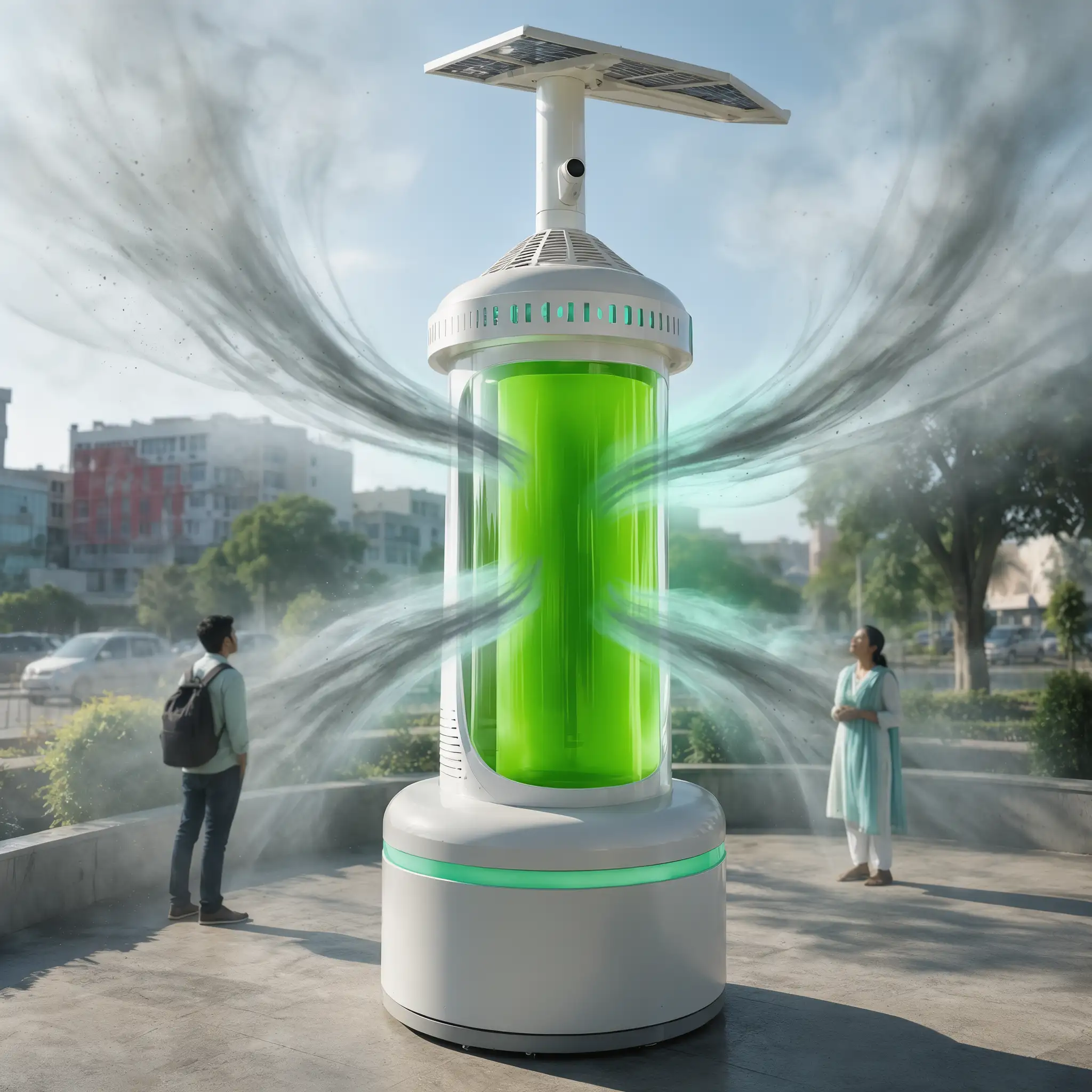
Our clothing often fails to mirror the body's natural processes. Our skin, when injured, heals itself. But, your clothing gradually degrades after each wash, ultimately ending up in landfills, where it can survive for centuries without any significant change.
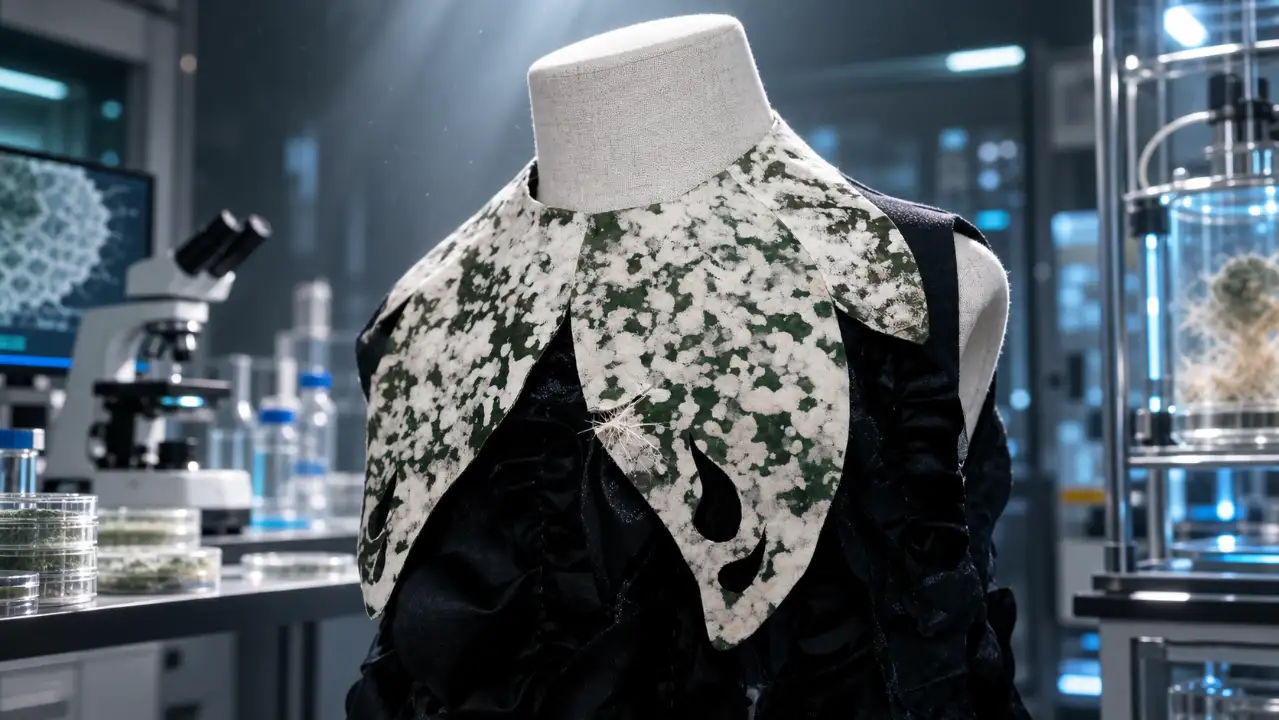
AI Generated Illustration
Meanwhile, Chinese researchers have successfully created what they call a textile, like first. It keeps going even after it leaves the lab. It is able to sew up the holes in its material on its own. It gets rid of dirt naturally and when it reaches the end of its lifespan, it can be turned to earth in just 41 days, roughly.
It is Cordyceps militaris, which is a parasitic fungus, and also called caterpillar fungus in Chinese. This fungus has been used for centuries in traditional medicine and more recently in soup in China. The mycelium of this fungus was grown by the team at Shenzhen Institute of Advanced Technology, an institute under Chinese Academy of Sciences, into pliable sheets, and the cellular activity was maintained throughout the production process. That aspect proves to be most crucial than the fungus itself. The accomplishment, a paper appearing in Science Advances, reveals that it is among the first truly alive fungal fabrics after being produced, not merely fabricated from dead matter.
Why Keeping the Fungus Alive Was the Hard Part
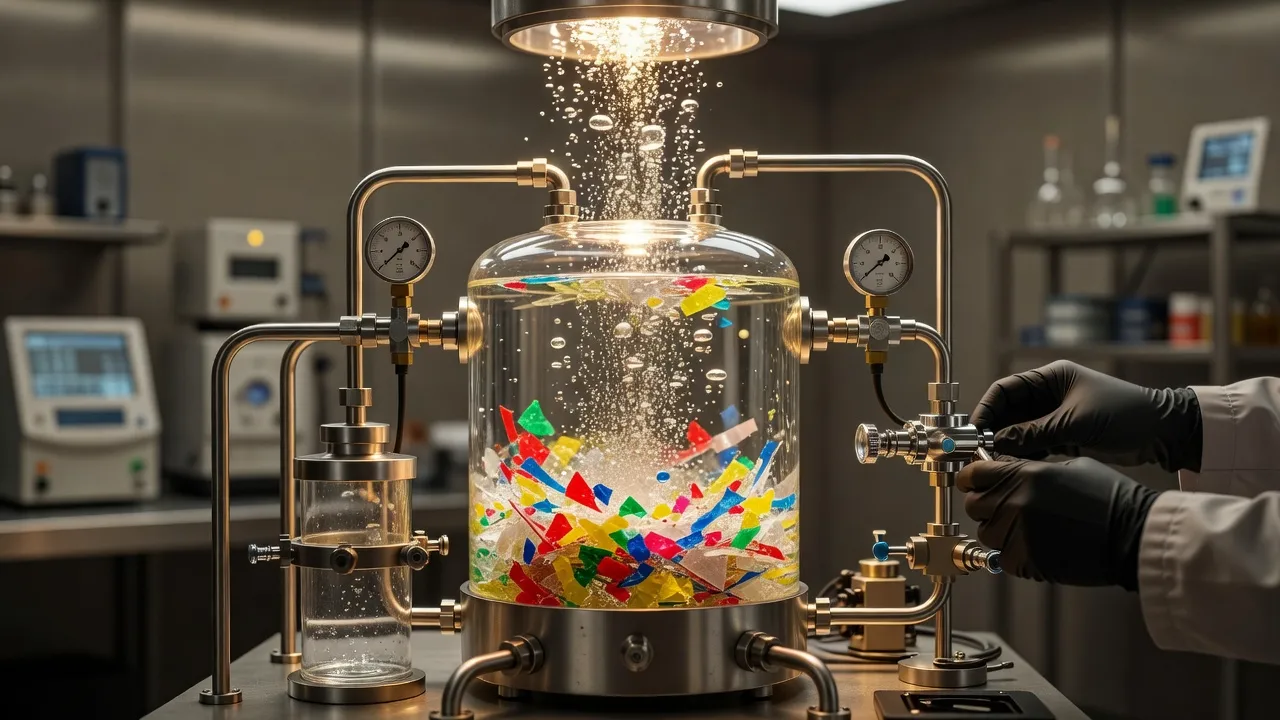
Fungi have also been experimented with to make fabric. There is already the mycelium leather and the mushroom packaging. The common method is to kill the organism as soon as possible, to dry or press the fungi into a durable but inert sheet, dead cells are the most predictable and dead cells won't rot on your shelf. Though dead material cannot do anything that a living one can. It cannot heal. It cannot grow. It just exists as fabric.
The Shenzhen team chose the more difficult path (Fig. 9). Or, if not more difficult, one that required more energy. Headed up by Ke Li and stationed under the wing of Zhong Chao, they implemented pelletinoculation with a low energetic fusion initiation and glycerol plasticization to plastify the system, and reintegrate the mycelial pellets into a dense cohering sheet without crossing the cell death boundary. The mycelium still retains function within the completed product. That is what enables the rest of this story.
What a Living Fabric Can Do That a Dead One Cannot
Self, repair is possible because there are still working cells inside to carry out the repair function. When the material splits, you just get the injured part fresh and wet with mycelial pellets that will give the chance to new hyphae to grow across the wound and seal it. This is like the same process your body uses to close up a cut, run by fungus and not fibroblast, slower but the essence is the same: living tissue detects the damage and regenerates to cover it.
Self, cleaning is a different feature and works by another way. They can make the fungus produce aerial hyphae, a wooly covering of fine fibers that makes the surface water, and dirt, repellent, a textile property similar to that of the lotus leaf. Also since the material is alive, researchers were able to combine it with color, producing yeast and dark, fungi to give it natural hues and UV shielding features without adding synthetic dyes or coatings. As an illustration, they fed the fabric in the shape of Shenzhen Institute's logo using a nutrient solution so, in the spots where only nutrients touched the fabric, hyphae came up from underneath, sort of like bioprinting a pattern but using living materials instead of ink.
But all this has not yet been subjected to the types of test that a regular fabric would have to go through. The paper does not give the number of wash repetitions the material would handle before breakdown, the way the fabric performs in the long, term, or the reliability of self, repair in different types and sizes of tear. Those statistics are more informative than the demonstrations and they are lacking for now.
The Part That Actually Solves a Waste Problem
Synthetic textiles including polyester and nylon are basically plastic and after disposal, they show plastic characteristics also. They are disposed in landfills where they remain for years producing microplastic fibers all the time, even on each laundering occasion. The Shenzhen researchers verified the reversed condition experimentally: they crafted a small container made of the fungal material and buried it into the ground. It had mostly decayed after 41 days. Such a figure is the main argument to support the complete initiative.
A fabric that regrows itself during its lifecycle and simply ceases to exist when it is no longer required, solves two major issues that fabrics have in common: producing short, term clothes with enormous volumes, resulting either in getting tossed away or barely getting put on, almost none of it can even break down to humanly perceive. A raw material that will have its time period measured in weeks only to change the definition entirely of what it means to be disposable.
Where This Realistically Fits, and Where It Does Not
Nobody is suggesting that your winter coat is going to be replaced by this new invention. A fabric made to disappear in soil within weeks is a bad match for garments designed to last several years, which eliminates most of the regular wear clothing as it now exists. This type of fabric But works very well with the contrary category: items that have always been temporary. Single, use packaging, temporary structures, medical bandages that need to biodegrade in time with the body, fashion garments for special events or prototypes where durability was never the goal.
Another issue that synthetic fabrics easily overlook is fabric care. To keep a living material alive, there have to be certain conditions of humidity and temperature to avoid microbial competition which results in unwanted contaminations. As Li mentions, freshly made items have a slight smell that can be washed and processed out, but keeping a garment biologically stable between wears is actually a completely different logistics issue from keeping a cotton shirt in a drawer.
Scale of production and the cost are by far the bigger challenges. Growing a fungus mycelium into a fabric of the size and speed that can compete with polyester that is inexpensive simply because it is made from petroleum at a large industrial level has very little in common with growing a fungus successfully in a lab. Although the paper from the Shenzhen group answers the question of the living material's capability, they have no intention of answering that economic question and they very honestly say so.
Why This Matters Beyond One Fabric
This endeavor is part of a wider movement in materials science, referred to as engineered living materials, which aims not to mimic biology through synthetic chemistry, but to sustain genuine living organisms within a fabricated product. Self, repairing concrete with bacteria and living building materials are also based on the same idea. That the Shenzhen team has illustrated is how this method can be upgraded from a scientific exploration into a thing that is wearable having programmable color, UV protection, and biodegradation window which are features that are part of the design rather than added later.
Honestly, living clothing are not clothes which we are going to find in stores right away. But what is clear now is, thanks to these scientists, nature can provide us with materials that are grown rather than synthesized and which are self, heating rather than being thrown away, and which can be made to dissolve by themselves upon demand instead of forming waste. Whether this path will end in your closet or stay in packaging and medical uses, is a still, unanswered question, most likely the bigger question.