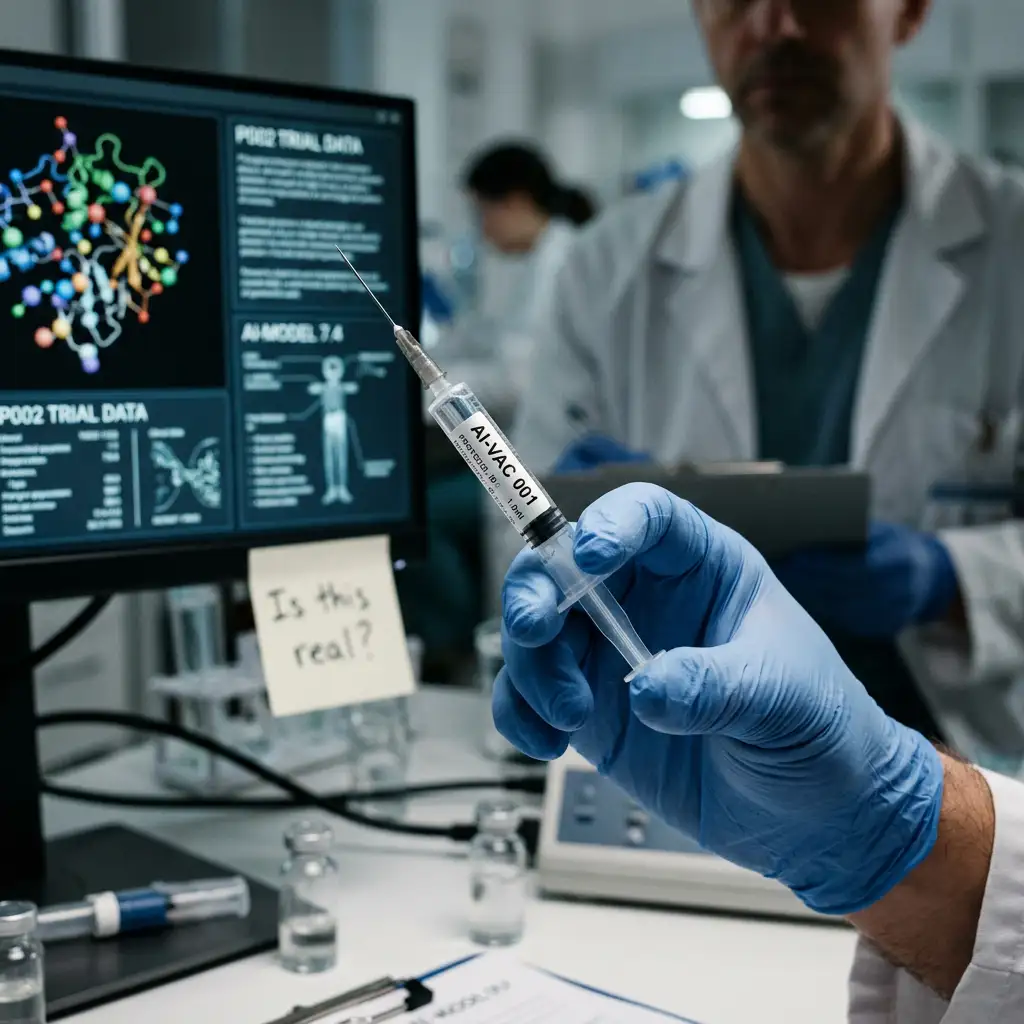
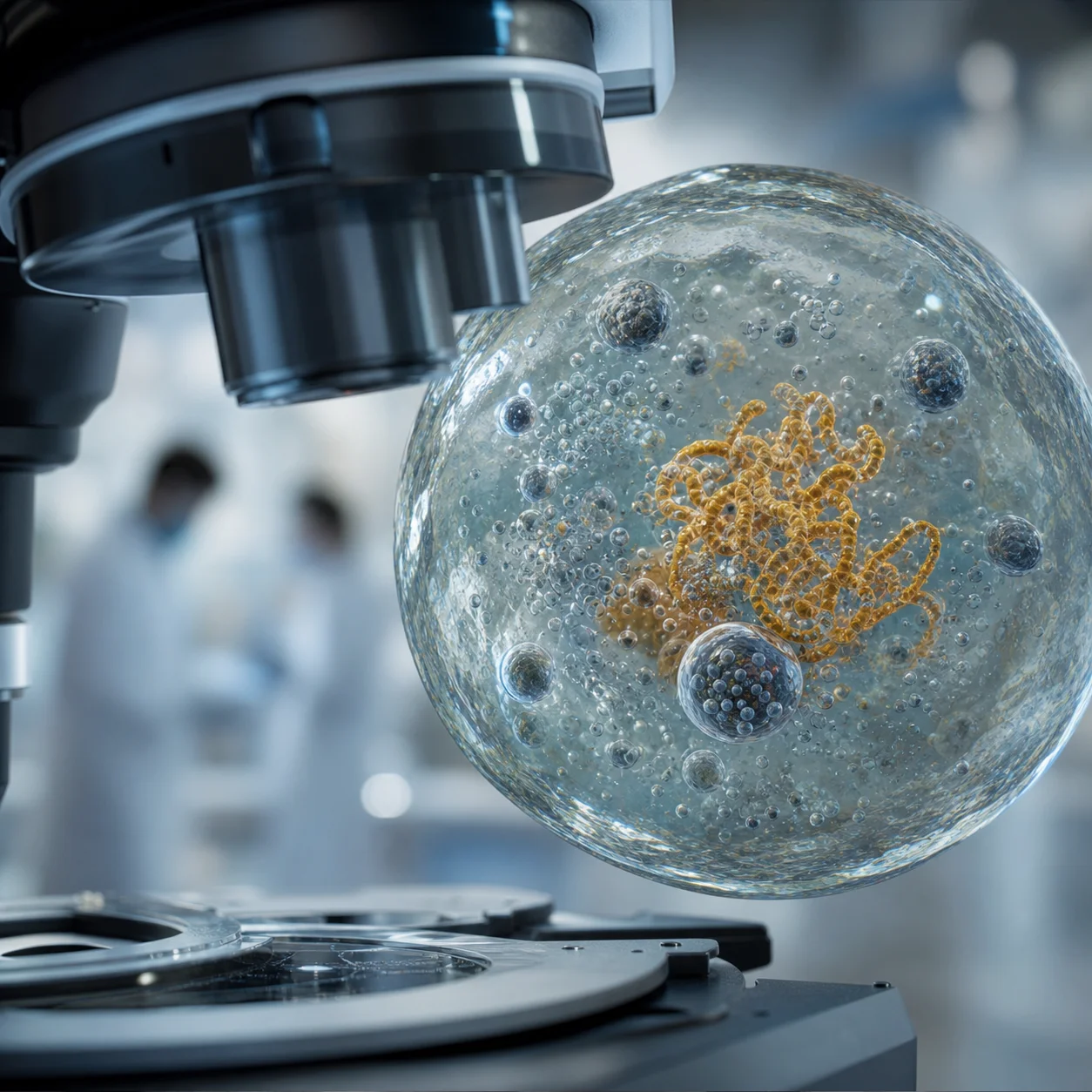
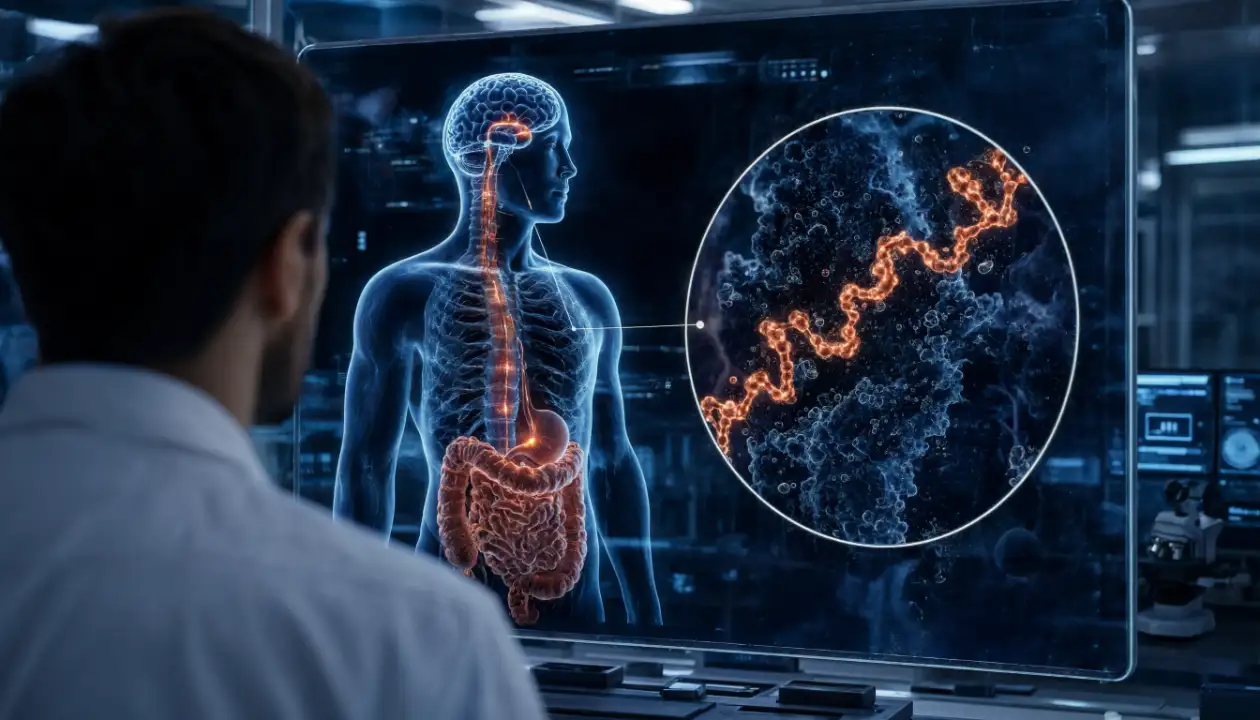
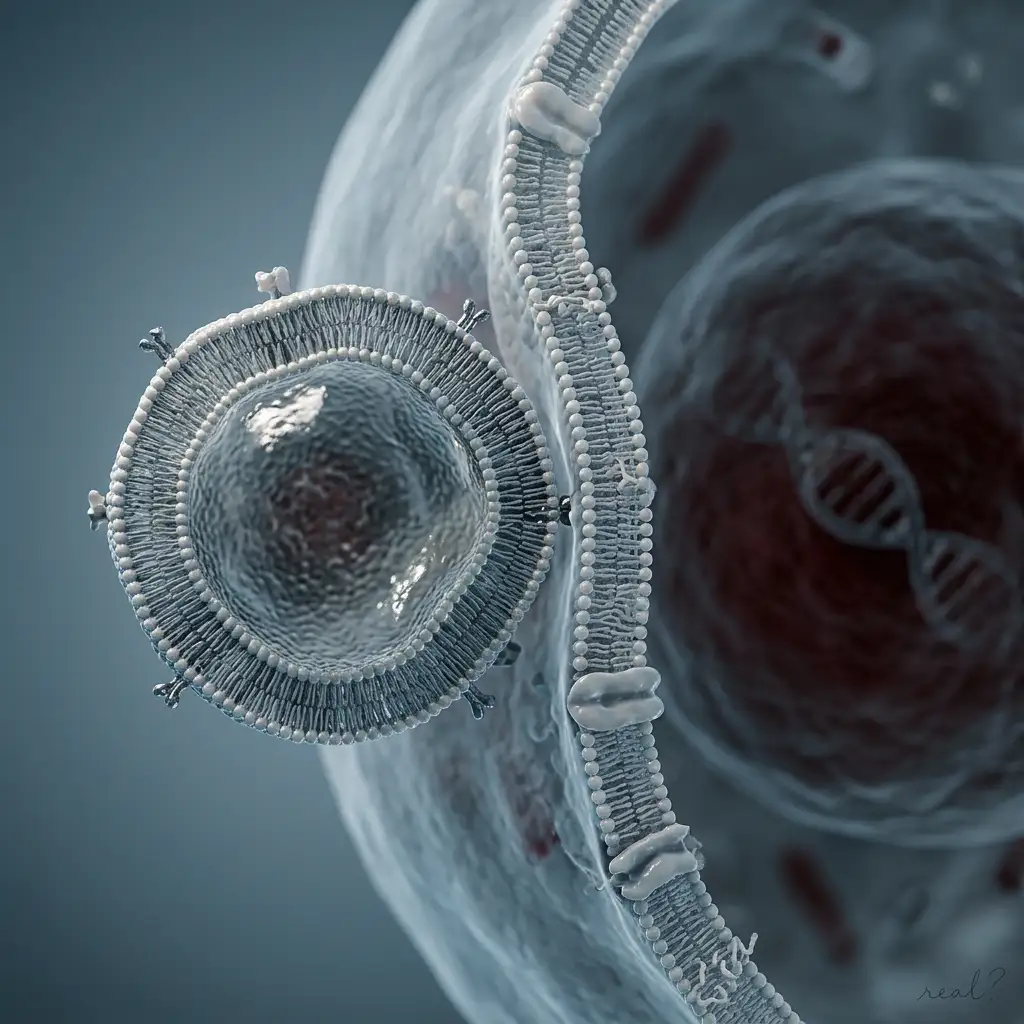
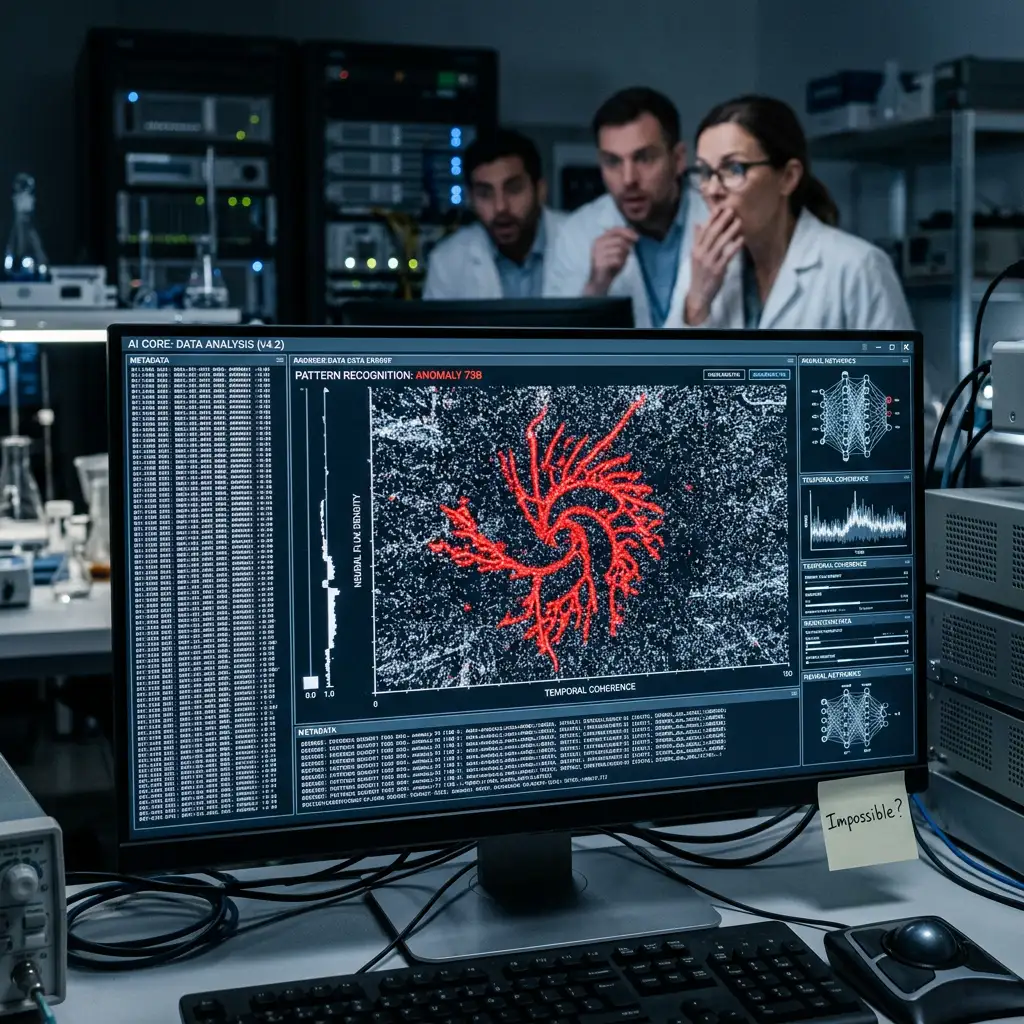
Sixteen viruses now exist that nature never built. A team of researchers fed raw DNA into an AI model, asked it to design a virus from scratch, synthesized the results in a lab, and dropped them into dishes of bacteria. Sixteen of them came alive.
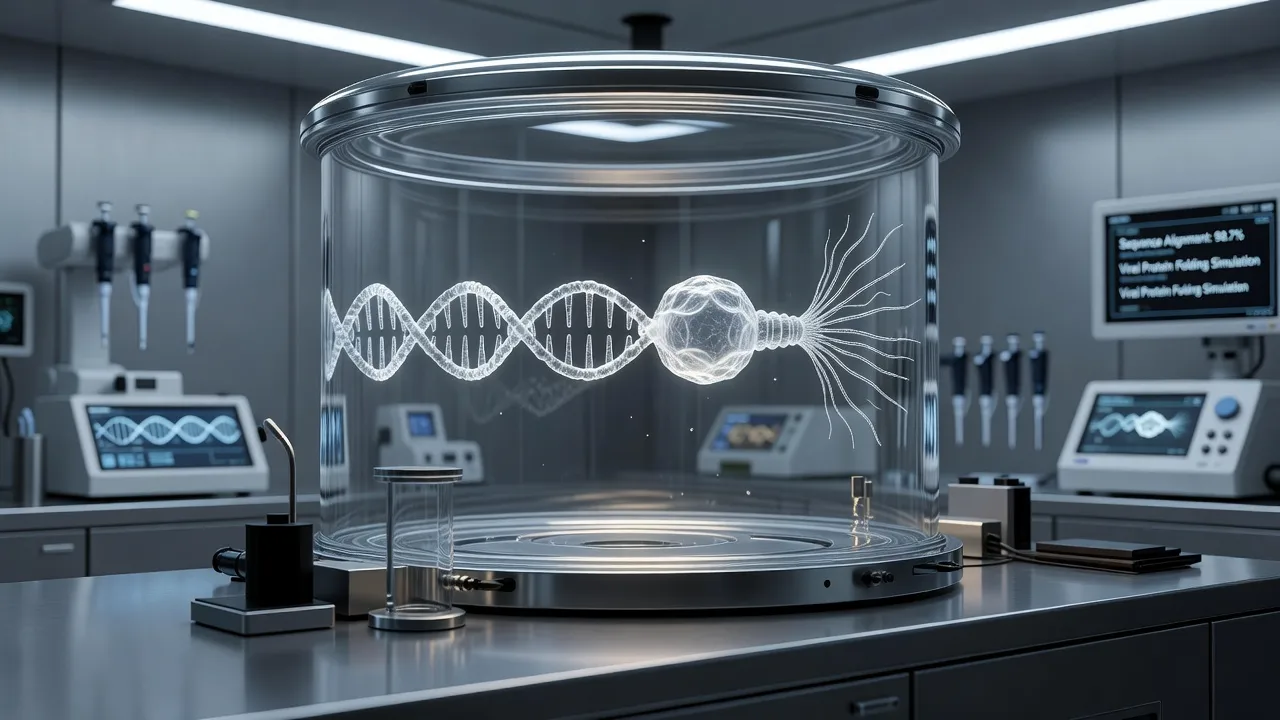
AI Generated Illustration
These are bacteriophages, viruses that infect bacteria, not people. But the method behind them marks a real shift in how biological engineering could work going forward. This is the first time AI designed viruses at the level of a complete, functioning genome, not just a single gene or protein, and had that design hold up when tested outside a computer.
The result has split the scientific community in a way that feels familiar from other corners of AI research. Some see a genuine tool against antibiotic-resistant infections, a way to build custom viral therapies faster than nature or lab technicians ever could. Others see a demonstration that the barrier to designing complex biological systems just got lower, with consequences nobody has fully mapped out. Both reactions are responding to the same fact. If a model can write functional DNA the way it writes a sentence, the obvious question is how that is even possible.
How DNA Became a Language That AI Could Learn
DNA is a code. Four chemical letters, A, T, C, and G, strung together in sequences that cells read and act on. Genome language models treat that code the way a large language model treats English: they study millions of real sequences until they pick up on the patterns that make a stretch of DNA functional rather than random.
The model does not copy existing genomes and rearrange them. It learns the statistical relationships between genes, regulatory switches, and structural elements, then generates new combinations that follow those same underlying rules. Put simply, it is not tracing an existing virus. It is writing one that has never existed, using the grammar it picked up from studying thousands that have.
Generating a sequence on a screen is the easy part, though. The real test of any of this comes when that sequence has to survive contact with an actual cell.
Why Successfully Creating 16 Functional Viruses Matters
Researchers at Stanford University and the Arc Institute, led by Brian Hie, synthesized nearly 300 AI-generated phage genomes and tested them against a target strain of E. coli. Sixteen worked. They infected the bacteria, replicated, and in several cases outperformed the natural virus the AI had used as its template.
That distinction matters more than it might sound. Producing a plausible-looking DNA sequence on a computer is a solved problem at this point. Getting one to actually function as a living virus, with every gene and regulatory element cooperating correctly across an entire genome, had never been done before. Traditional phage discovery still means searching soil, sewage, or hospital waste for a virus that happens to already exist and happens to already do what you need. This flips that process. Researchers can now design candidates first and test them second, rather than hoping nature already solved the problem somewhere.
What is still unclear is how far this generalizes. The phages here targeted one bacterial strain using one well-studied viral template. Whether the same approach scales to other bacteria, other phage families, or eventually to more complex organisms is an open question the researchers themselves have not answered yet.
Could AI Replace Nature in the Search for New Medicines?
Antibiotic resistance is not a distant problem. Bacteria that shrug off standard treatments are already responsible for over a million deaths a year worldwide, and the pipeline of new antibiotics has slowed to a trickle. Bacteriophages are getting renewed attention because they work differently: a phage targets a specific bacterial strain and largely leaves everything else, including the helpful bacteria in a patient's gut, untouched.
An AI system that can design a working phage against a given bacterial target, rather than waiting to stumble on one in nature, could shrink the timeline for personalized phage therapy from months of searching to something closer to a design problem. That has obvious appeal for hospitals dealing with drug-resistant infections that do not have time to wait.
The same underlying approach would not stay confined to medicine. Once a model can reliably generate functional genetic systems, the same techniques apply to industrial biotechnology, agriculture, and environmental cleanup, anywhere a custom-built microbe or virus could do a job better than an engineered chemical.
The Hidden Challenge Is Not Designing DNA but Proving It Works
Here is the part that gets skipped in most of the coverage. Designing a genetic sequence with AI has become dramatically easier. Proving that sequence actually does something useful and safe has not gotten any faster. Biology still has to be tested in a wet lab, one sample at a time, and that has not changed just because the design step got automated.
Every one of those 16 phages still needed to be chemically synthesized, grown, checked for unwanted mutations, and evaluated for how it behaves against different bacterial populations before anyone could call it useful, let alone ready for a patient. That process is slow and it is expensive, and it is not going anywhere. AI can now generate thousands of plausible biological designs in an afternoon. Nature, or rather the lab bench standing in for nature, still gets the final vote on which ones actually work.
That gap, between how fast AI can propose ideas and how slowly biology can confirm them, may end up being the real bottleneck on how quickly any of this reaches practical use. It also sets up the harder question hanging over the whole field: what happens when the same design tools get pointed somewhere less benign.
Why Scientists Are Divided Over the Risks
The researchers built this system deliberately to avoid the obvious danger. They excluded human pathogen data from training, so the model has no exposure to what makes a virus capable of infecting people, and every phage it generated targets bacteria specifically. That was a design choice, not an accident.
But the dual-use problem does not disappear just because this particular project was careful. A genome language model capable of designing a working bacteriophage genome is, structurally, the same kind of tool that could eventually be pointed at more dangerous targets if trained on different data. In coverage following the study's publication, one biosecurity researcher raised the scenario of asking a similar model to modify a pathogen like influenza to be more transmissible. A synthetic biology researcher at Imperial College London pushed back on how alarming that really is in practice, noting that the phage genome involved here is about as small and simple as viral genomes get, and that restricting access to sensitive genetic data would do more to limit misuse than restricting the AI models themselves.
That disagreement is playing out across biosecurity circles right now: how much oversight belongs on the models, how much belongs on the raw genetic data and lab equipment needed to actually build anything dangerous, and who gets to decide. Most researchers in the field argue that responsible publication and stronger lab-level safeguards, not a retreat from the research itself, are what will let the medical upside outweigh the risk.
What This Breakthrough Means for the Future of AI and Biology
This is part of a pattern that has been building for a few years now. AI moved from generating text, to generating images, to writing working code. Designing a living biological system was the next obvious frontier, and it just stopped being theoretical.
A lot remains genuinely unsettled. Nobody knows yet how this scales to more complex organisms, how regulators will handle a therapy that started as an AI-generated genome, or how consistently these design methods will work outside the one bacterial system tested so far. Manufacturing, clinical trials, and long-term safety monitoring for phage therapies built this way do not have established playbooks.
AI can now generate millions of biological ideas before lunch. Whether any of them survive contact with a living cell, a regulator, or a hospital review board is still entirely up to the slower, messier processes humans have always used to separate a good idea from a working one. The technology to design biology has arrived faster than anyone's plan for governing it, and that gap is probably the more interesting story going forward.