Samsung and SK Hynix have already sold out next year's high bandwidth memory production, and 2027 has not even started. That single fact says a lot about where the memory chip shortage is headed, and why it will not stay confined to server rooms and spreadsheets.
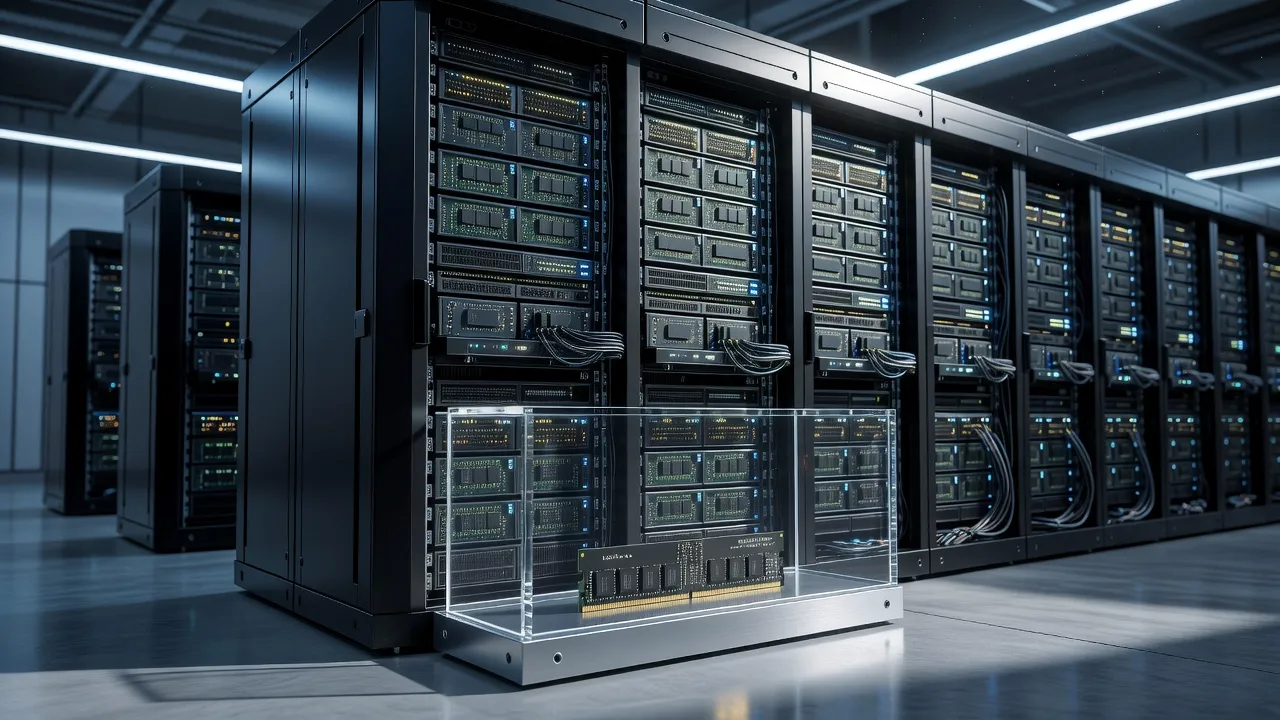
AI Generated Illustration
For most people, memory chips are the least interesting part of a gadget. Nobody brags about their laptop's RAM at a dinner party. But that quiet indifference is exactly why this shortage is going to catch a lot of buyers off guard. The gap between what the world wants to build with memory and what factories can actually produce is widening, and it is not because of one bad quarter or one broken shipping route. It is the product of several pressures landing at once: AI infrastructure spending, the physical limits of advanced chip manufacturing, and production timelines that simply cannot be compressed on demand.
Before getting into why prices are climbing, it helps to understand what these chips actually do, and why almost nothing electronic works without them.
Why Memory Chips Have Become the World's New Bottleneck
DRAM is the memory a device uses while it is actively working, the digital equivalent of a desk where you spread out whatever you are currently doing. NAND flash is where things get stored once you are done, closer to a filing cabinet. HBM, or high bandwidth memory, is a specialized and far more expensive version of DRAM built to sit right next to powerful processors and feed them data at extreme speed. Smartphones, laptops, gaming PCs, servers, and AI accelerators all depend on some combination of these three, and losing any one of them makes a device unusable no matter how fast its processor is.
AI systems push this dependency to an extreme most consumer electronics never approach. A large language model does not process one small task at a time. It holds enormous amounts of data active simultaneously, which means the memory has to keep up with the processor rather than sit there as an afterthought. That is why chipmakers now talk about memory bandwidth and capacity almost as often as they talk about raw compute power. A processor that cannot get data fed to it fast enough is just an expensive space heater.
What nobody in the industry can say with confidence is how much memory the next generation of AI models will actually need. Model architectures keep changing, and demand projections built six months ago already look conservative. That uncertainty is part of what makes this shortage harder to plan around than previous ones.
Understanding that memory now competes with processing power for attention sets up the more uncomfortable question: who is actually consuming all of it, and why can't manufacturers just make more.
Why AI Is Consuming Memory Faster Than Manufacturers Can Build It
Generative AI tools, cloud platforms, and hyperscale data centers have driven demand for advanced memory up sharply in a short window. A single AI server rack can require memory capacity that would have seemed excessive for an entire enterprise data center just a few years ago, and that demand keeps compounding as more companies race to deploy their own AI infrastructure.
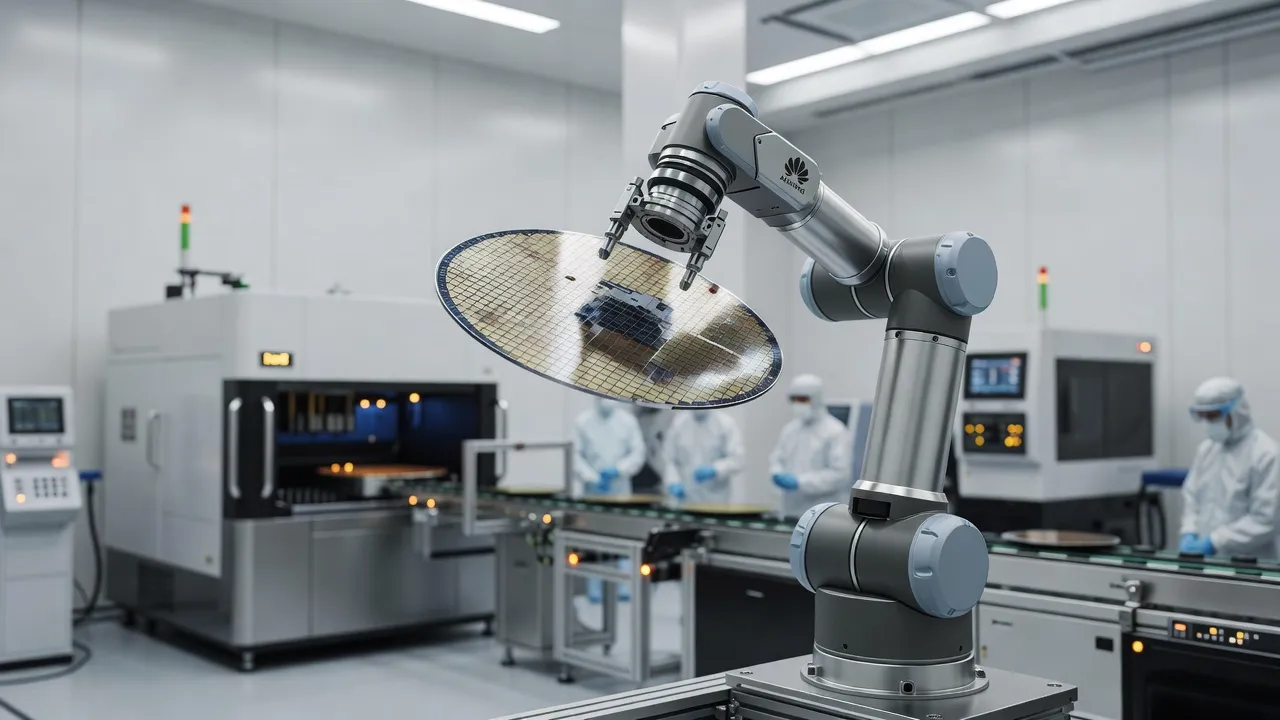
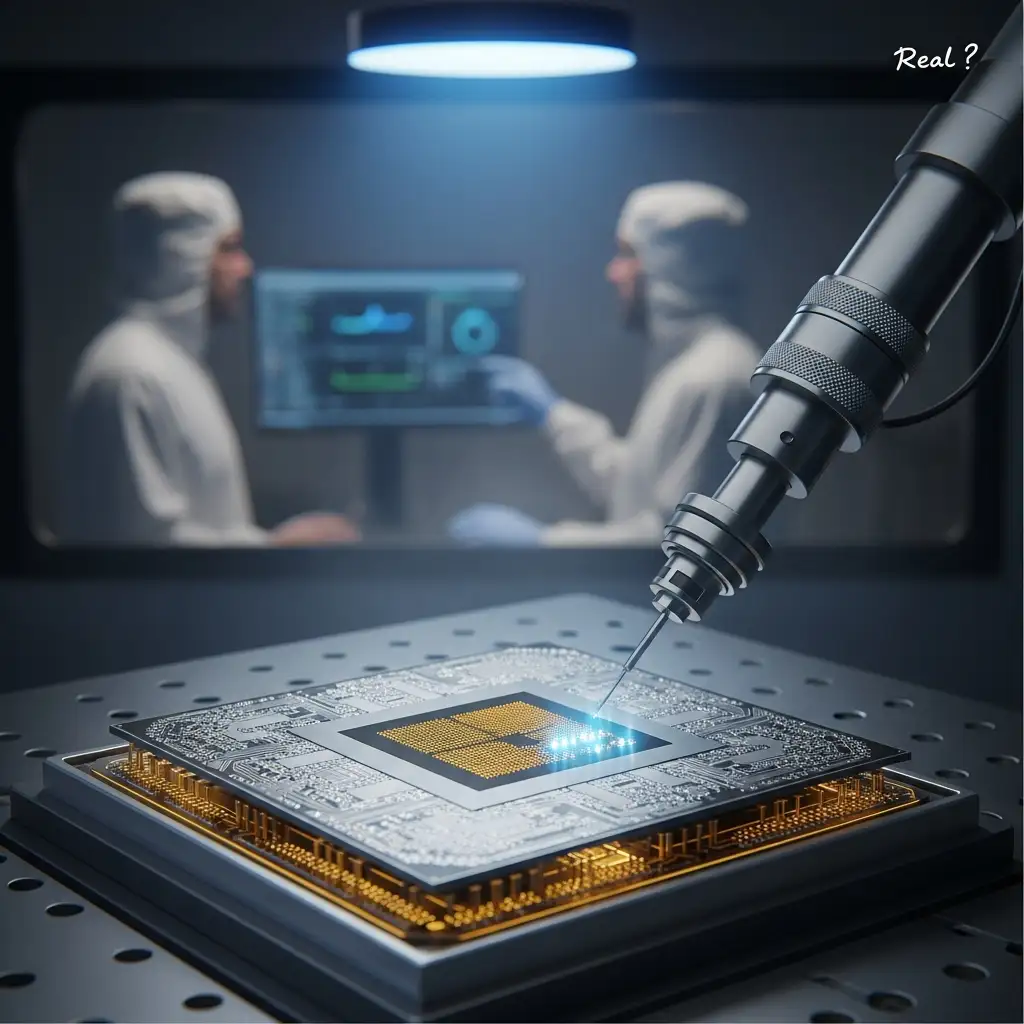
Manufacturers cannot simply flip a switch to meet it. Building a modern memory fabrication plant costs billions of dollars and takes years, not months. Advanced packaging, the process that stacks memory layers and connects them to processors with extreme precision, adds another layer of complexity that is slow to scale. New production lines also have to pass lengthy qualification processes with major buyers before a single chip ships in volume. None of that bends to urgency.
Here is the part that is easy to miss: AI is no longer just competing for GPUs. It is competing for the world's memory supply, and that shift is quietly reordering priorities across the entire semiconductor industry. Companies that used to negotiate memory contracts as a routine line item are now fighting for allocation the way they once fought over scarce processors.
What the Shortage Could Mean for Phones, PCs, and Everyday Technology
Tighter memory supply will not hit every product the same way. Premium smartphones, high-end laptops, and data center hardware tend to get priority because manufacturers protect their most profitable lines first. Entry-level devices, budget SSDs, and mid-range gaming PCs are more likely to feel the squeeze through thinner margins or scaled-back specs.
Manufacturers facing higher component costs generally have three levers to pull: delay a launch, quietly reduce the base memory configuration, or raise the price and let the customer absorb it. All three have shown up in past shortages, and there is no reason to expect this one to be different. A phone that used to ship with a generous amount of storage at its starting price point could end up with less storage for the same money, which is a price increase that just does not look like one on a spec sheet.
The AI boom may be quietly increasing the cost of devices even for people who never touch an AI tool. That is the part of this story that rarely makes the pitch decks. Whether that pattern holds depends partly on what has happened the last few times memory got this tight.
Have We Seen This Before, and Why This Time Is Different
Memory shortages are not new. Past squeezes tied to pandemic-era supply disruptions and cryptocurrency mining booms pushed DRAM and NAND flash prices up before eventually easing as demand cooled off. Those episodes shared a common shape: a spike, a scramble, and then a return closer to normal once the triggering event passed.
AI infrastructure does not follow that shape. Cryptocurrency mining demand could collapse overnight with a price crash. AI infrastructure spending is backed by some of the largest companies in the world, building out data centers on multi-year plans that are not easily reversed. That gives this shortage a longer runway than the ones that came before it, even if nobody can say exactly how long.
None of that means the memory market has stopped being cyclical. Supply eventually catches up to demand, prices correct, and the cycle turns again. It always has. The open question is how long this particular cycle stretches out before it does, which is precisely the part nobody can answer with confidence right now.
What Experts Still Cannot Predict About 2027
The biggest unknowns come down to timing and behavior rather than technology. How fast new fabrication capacity comes online, whether AI investment keeps growing at its current pace, and how efficiently future AI models actually use memory all remain open questions that even the companies building this hardware cannot answer with precision.
There are paths that could ease the pressure. Expanded manufacturing capacity, improvements in advanced packaging, next-generation memory technologies, or a cooling in enterprise AI spending could all bring relief. None of those are guaranteed, and some depend on factors well outside any single company's control, including how global economic conditions shift over the next year.
No forecast can pin down exact pricing for 2027, because memory markets respond to technology shifts, geopolitics, manufacturing yields, and broader economic conditions all at the same time. Anyone offering a confident number is guessing with extra steps.
Why the Memory Shortage Matters Beyond Higher Prices
Step back from the price tags and a bigger shift comes into focus. Memory has quietly become a strategic technology in its own right, sitting alongside processors as something that shapes how fast AI can progress and how much cloud infrastructure actually costs to run.
This is not really a story about expensive gadgets. It reflects a structural change in how computing resources get allocated during the AI era, one where memory has become one of the industry's tightest constraints rather than a component nobody thinks twice about.
Watch the processor headlines if you want, but the memory manufacturing announcements might tell you more about what next year's technology actually costs and who gets to afford it first.